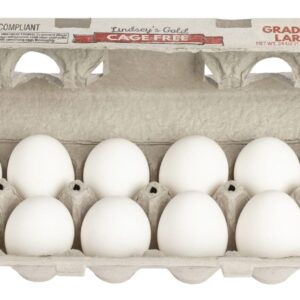


What Are Cage-Free Eggs?
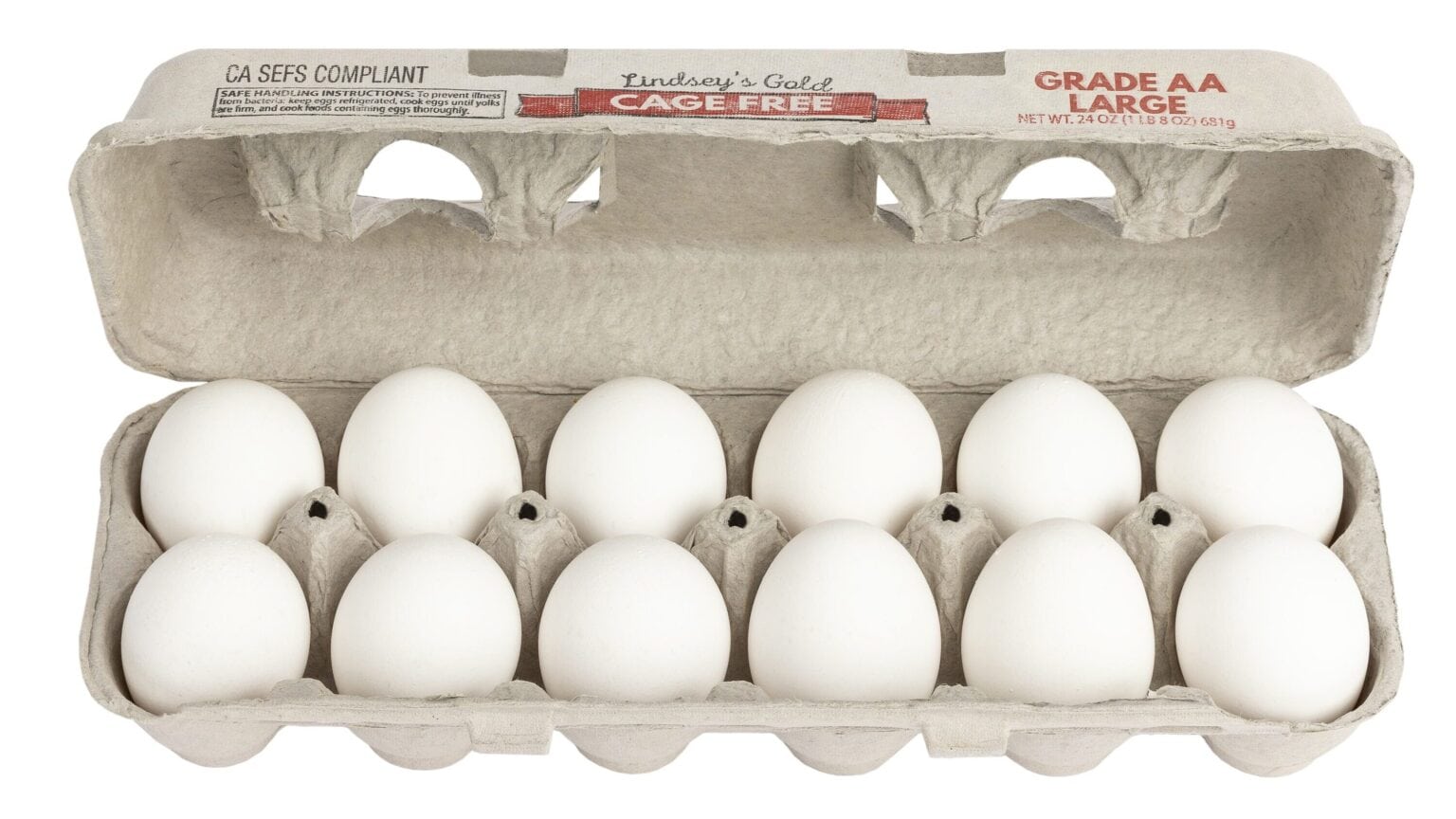
Cage-free eggs are eggs sourced from hens that have room to roam freely within a house or barn. These space requirements are outlined by the USDA or other third-party certifying bodies, as well as state legislation or corporate animal welfare guidelines.
To meet the definition of cage-free, hens must be allowed to venture around a designated enclosed space with unrestricted access to food and water. Cage-free facilities often include additional systems such as nests and perches that allow hens to express natural behaviors, along with litter areas for scratching, foraging, and dust bathing.
Eggs packed under a USDA Grade Shield and marketed as cage-free—or with any other production claim—must be source-verified by USDA through onsite farm visits at least twice annually to confirm that laying hens are housed in the appropriate production system.
Advantages of Cage-Free Eggs
Cage-free eggs share the same nutritional benefits as conventional eggs, regardless of shell color, unless specific modifications are made to the hen’s diet.
An increasing number of states, large corporate retailers, foodservice organizations, and institutional buyers have committed to going 100% cage-free in order to improve animal welfare standards. Cage-free production now makes up over one-third of the total table egg-laying flock in major producing countries—a percentage that will likely continue to rise as transition deadlines approach.
Having a secure supply of cage-free eggs allows businesses to:
-
Comply with legislative and corporate animal welfare commitments
-
Meet or exceed animal welfare requirements in a growing number of markets
-
Highlight their transition to cage-free eggs as a positive marketing and PR tool
Global Supply Eggs is here to create a seamless supply chain for our customers, whether you are buying or producing cage-free eggs in this evolving global environment.
Cage-Free vs. Free-Range vs. Pasture-Raised: What’s the Difference?
The main difference between these production methods is access to outdoor space:
| Production Type | Key Characteristics |
|---|---|
| Cage-Free | Hens have space to roam within a house or barn with unrestricted access to food and water. No outdoor access required. |
| Free-Range | Hens have cage-free indoor access plus at least temporary access to an outdoor area. |
| Pasture-Raised | Hens have access to outdoor pasture areas for significant portions of the day, with mobile or fixed housing. |
How Cage-Free Systems Impact Hens
Cage-free systems give hens more space to roam within a house or barn. Additional enrichments—such as nests, perches, and litter areas—allow birds to partake in natural behaviors including:
-
Scratching and foraging
-
Nesting
-
Dust bathing
Research has found these systems can reduce stress on the birds and create a positive impact on egg production and overall flock health.
Cage-Free Certifications
The term “cage-free” is regulated by the USDA. To qualify as cage-free under the USDA’s definition, farmers are subject to site visits verifying that hens are given the appropriate space. Suppliers must have traceability methods in place to track eggs back to the hens living in cage-free facilities.
Additional Certifying Bodies:
| Certifier | Description |
|---|---|
| Humane Farm Animal Care (HFAC) | Sets science-based welfare standards and conducts independent certifiations |
| American Humane (AH) | Offers third-party welfare certification for cage-free facilities |
| United Egg Producers (UEP) | Provides voluntary animal welfare guidelines and certification for cage-free production |
Labels from these certifiers may appear on egg cartons or packaging, helping buyers verify they are working with verified cage-free suppliers.
At Global Supply Eggs, we source exclusively from certified Brazilian producers who meet or exceed these international welfare and safety standards—ensuring you receive quality cage-free eggs you can trust.